Foremed is looking for pilot hospitals, doctors and funding partners for 2027.Partner with us →
Foremed Partner with us
Now recruitingPilot hospitals for 2027

The medical recordthat sees ahead.

Foremed gives every patient one record that opens at any hospital they visit. Its AI drafts the doctor’s notes and reads the whole history, family included, to warn of disease while there is still time to act.

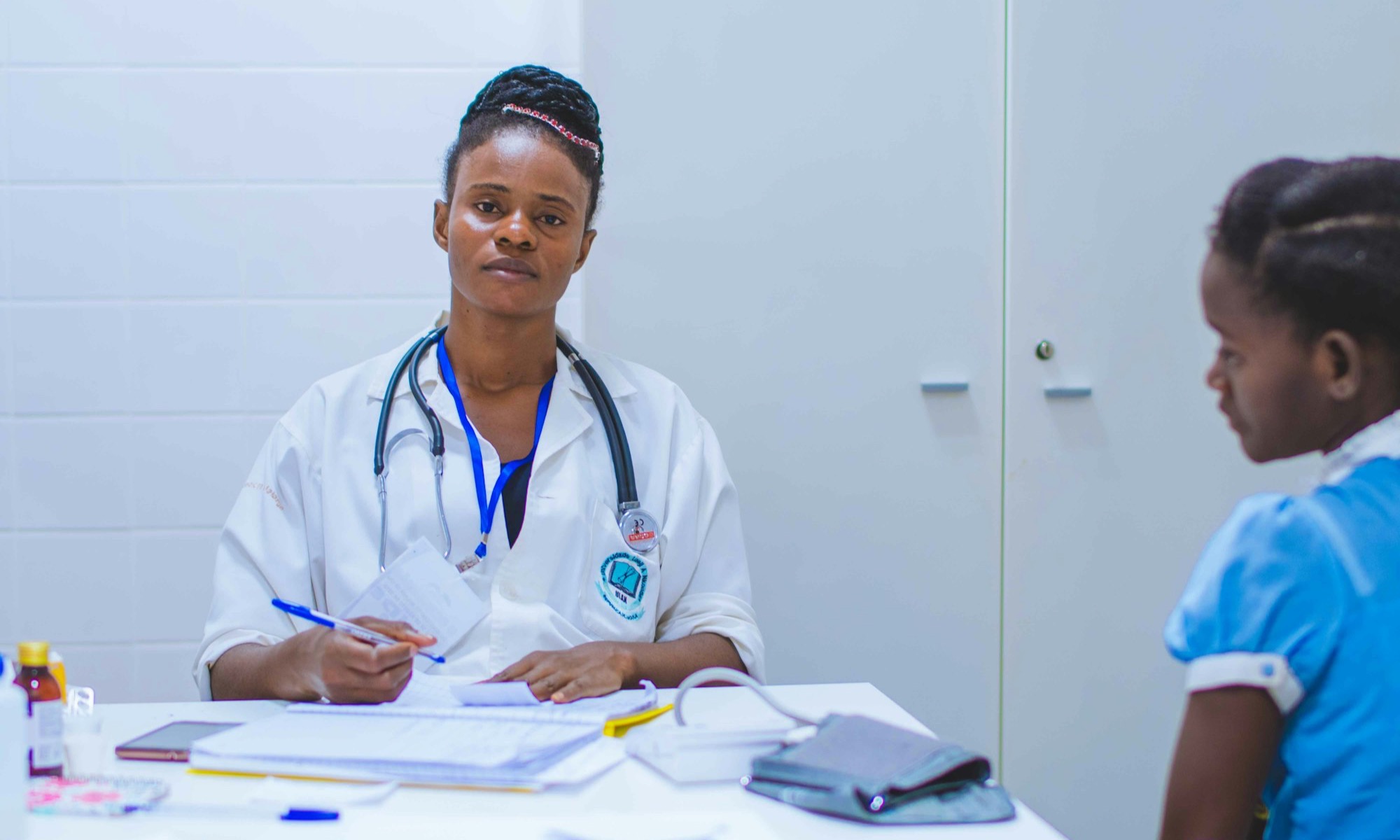
A doctor at her desk in a consultation room, with a young patient in a blue dress
Consultation noteDraft readySigned
S
Headache 3 days, fever at night.
O
T 38.4 °C, BP 152/98, mRDT positive.
A
Uncomplicated malaria. Raised BP on amlodipine.
P
Artemether-lumefantrine for 3 days. BP review in 2 weeks.
Referral letter and claim draftedSigned by the doctor, 09:14

Illustrative example with an invented patient.

Foremed AI at work

One record sees what no single visit can.

The evidence behind each warning →
Foremed AIOpening the record: 8 visits
Illustration with invented patients and synthetic data. Every warning goes to a doctor or the district team, who decide what to do.

Designed around open health standards

HL7 FHIRICD-11SNOMED CTDICOMDHIS2
Why it matters

People are dying of illnesses medicine knows how to treat. Too often, help comes too late.

5 million

people a year in low- and middle-income countries die after reaching a health facility, because the care they received was poor.1

189

mothers die in Uganda for every 100,000 babies born alive.2

Under 30%

of children with cancer are cured in most low- and middle-income countries. In wealthy countries, more than 80% are.3

3 months

Ebola spread in West Africa before anyone knew what it was.4 More than 11,000 people died.5

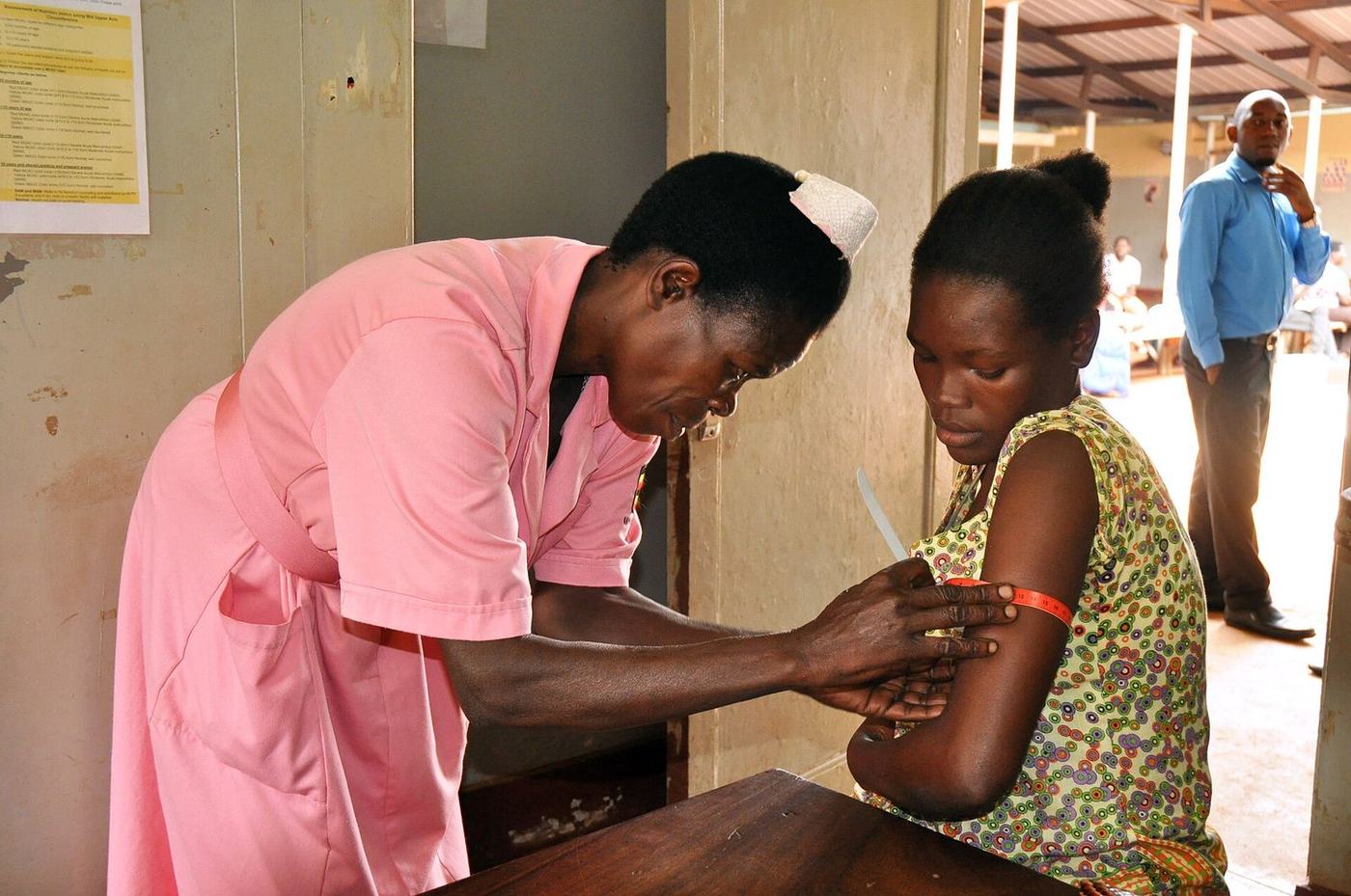
A nurse in a pink uniform measures the upper arm of a young woman at an antenatal clinic
Antenatal clinic, Jinja Regional Referral Hospital, Uganda.

Behind each of these numbers is something that could have been seen in time: a symptom, a family pattern, a first case.

The problem, and our answer

Six places patients are lost today. What Foremed does about each.

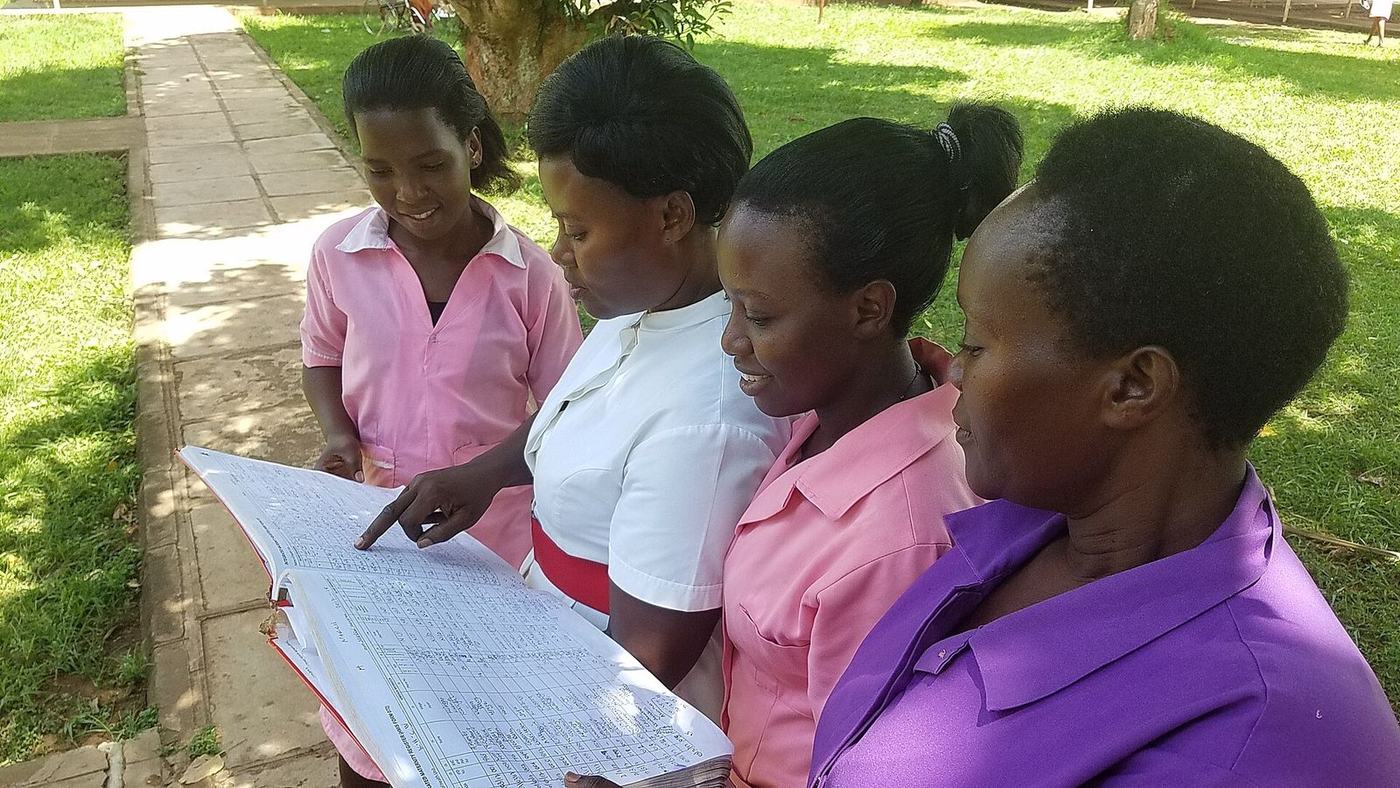
Four midwives in pink, white and purple uniforms read a large handwritten register together outside a health centre
Midwives at a health centre in Buikwe District, Uganda, go through the monthly register. It is filled in by hand, one line per patient.
01

No doctor in time

Today

1 : 6,400

One licensed doctor for every 6,400 people in Uganda. Germany has one for every 213.6,7

With Foremed

Patients describe their symptoms by phone before they travel, and danger signs reach a nurse or doctor at once. With the writing done for them, doctors can see more patients.

How it works →
02

No history when it matters

Today

Lost files

For many patients, the only history is a paper file that stays in one hospital, or one they carry themselves.8,9 In an emergency, nobody knows their allergies or medicines. Even digital hospitals struggle to share.10

With Foremed

One record, linked to the national ID, opens in seconds at any authorised hospital, with allergies, medicines, results and scans.

The record →
03

Disease found too late

Today

86%

of women with cervical cancer at Uganda’s national cancer institute arrived at an advanced stage.11 Even in the US, an estimated 795,000 people a year die or are permanently disabled after a diagnostic error.12

With Foremed

Foremed reads the whole history, and the family’s, and shows the doctor the patterns that come before a late diagnosis.

Where this goes →
04

Outbreaks found late

Today

9 days

the typical time between the first patient falling ill and an outbreak being detected, in low-income African countries.13

With Foremed

Every diagnosis is counted the moment a doctor signs it. The first case of a notifiable disease alerts the district the same day, before it can spread.

See an outbreak alert →
05

Doctors buried in paperwork

Today

3 hours

a day on administration for a hospital doctor in Germany. In US practices, two hours at the desk for every hour with patients.14,15

With Foremed

Foremed drafts the notes, the referral and the insurance claim. The doctor corrects, confirms and signs.

See the draft →
06

AI that has never met these patients

Today

2.4%

of people in genomic studies have African ancestry.16 Medical AI is mostly trained on patients from wealthy countries.

With Foremed

Every confirmed diagnosis teaches Foremed. It gets more accurate with every visit, every hospital and every year, on the patients it actually serves.

How it learns →
The record

One record for every patient. Open at every hospital they visit.

When a file goes missing, patients tell their whole story again and bring old results, if they still have them.9 Foremed gives each patient one record that any authorised hospital can open, with everything in it.

Patient record Search by name, date of birth or national ID Medical officer · Hospital B
Sarah N.Female · 35 · born 12 Mar 1991 · national ID ending 4471
Allergy: penicillinHypertensionFamily linked with consent

VisitsAll hospitals

  1. Hospital B, regional referral Open

    Fever and headache. Consultation in progress.

  2. Health centre IV, another district

    BP 146/94. Started amlodipine 5 mg.

  3. Hospital A, mission hospital

    Cough for three weeks. Chest X-ray clear, TB test negative.

  4. Hospital A, mission hospital

    Delivery of a healthy girl, 3.2 kg.

Results and scans

Chest X-rayMar 2025 · Hospital A
Report: no abnormality seen
  • Malaria test (mRDT)Positive · today
  • Haemoglobin12.1 g/dL · Mar 2025
  • TB test (GeneXpert)Negative · Mar 2025

FamilyLinked records

  • MotherHypertension, stroke at 58
  • Daughter, 2Healthy, vaccinations complete
Foremed analysisWhen the file opened
  1. Blood pressure is above target on amlodipine: 146/94 in December, 152/98 today.
  2. Her mother had a stroke at 58.
  3. No kidney test on record.

Consider adjusting blood-pressure treatment and checking kidney function.Suggestion for the doctor to review · based on 2 visits and 1 family record

Opened by the medical officer, Hospital B, 09:02. Access logged.Invented patient

Every visit, every hospital

Visits, diagnoses, medicines, results and scans from every hospital the patient has used, in one timeline.

Found by national ID

Each record is linked to the patient’s name, date of birth and national ID number. Mulago already asks patients for their ID.17

Scans and results inside

X-rays, ultrasounds and lab results live in the record itself, so nobody carries a printout or repeats a test.

Analysis when the file opens

Foremed reads the whole history, family included, and puts what matters at the top for the doctor.

A copy for the patient

Patients can see their own record and results on their phone, and take their history wherever they go.

Works with existing systems

Where a hospital already keeps electronic records, Foremed connects to them through open standards rather than replacing them.

How it works

One visit, from the first call to the next hospital. And what each step saves.

  1. 1Before the visit

    The patient calls

    They describe their symptoms by voice, in their own language, on any phone. Foremed finds their record and has a summary waiting when they arrive.

    SavesStarting the history from nothing

  2. 2At reception

    The record opens

    Every past visit, result and scan from every hospital appears, with Foremed’s analysis at the top.

    SavesRepeat tests, and findings lost between hospitals

  3. 3In the consultation

    Foremed listens

    With the patient’s consent, it fills in the hospital’s own consultation template while the doctor and patient talk.

    SavesMost of the typing

  4. 4Before the patient leaves

    The doctor finishes and signs

    The doctor corrects the draft, adds the confirmed diagnosis, tests, scans and medicines, and hands it in.

    KeepsEvery clinical decision with the doctor

  5. 5After the visit

    The record travels

    The patient gets a summary on their phone. A referral reaches the next hospital with the notes, results and scans attached.

    SavesLost files, and the delays that follow them

  6. 6Over time

    Foremed learns

    Each suggestion is checked against the confirmed diagnosis. Patterns in a patient, a family or a district are flagged early.

    SavesLives, when disease is found sooner

Step 1 · Before the visit

Patients talk to Foremed first.

A patient calls and describes the problem in their own words and language. Foremed matches the call to their record, so before they sit down, the doctor has a one-minute summary next to the full history.

  • Works on basic phones, without mobile data
  • Danger signs go straight to a nurse or doctor
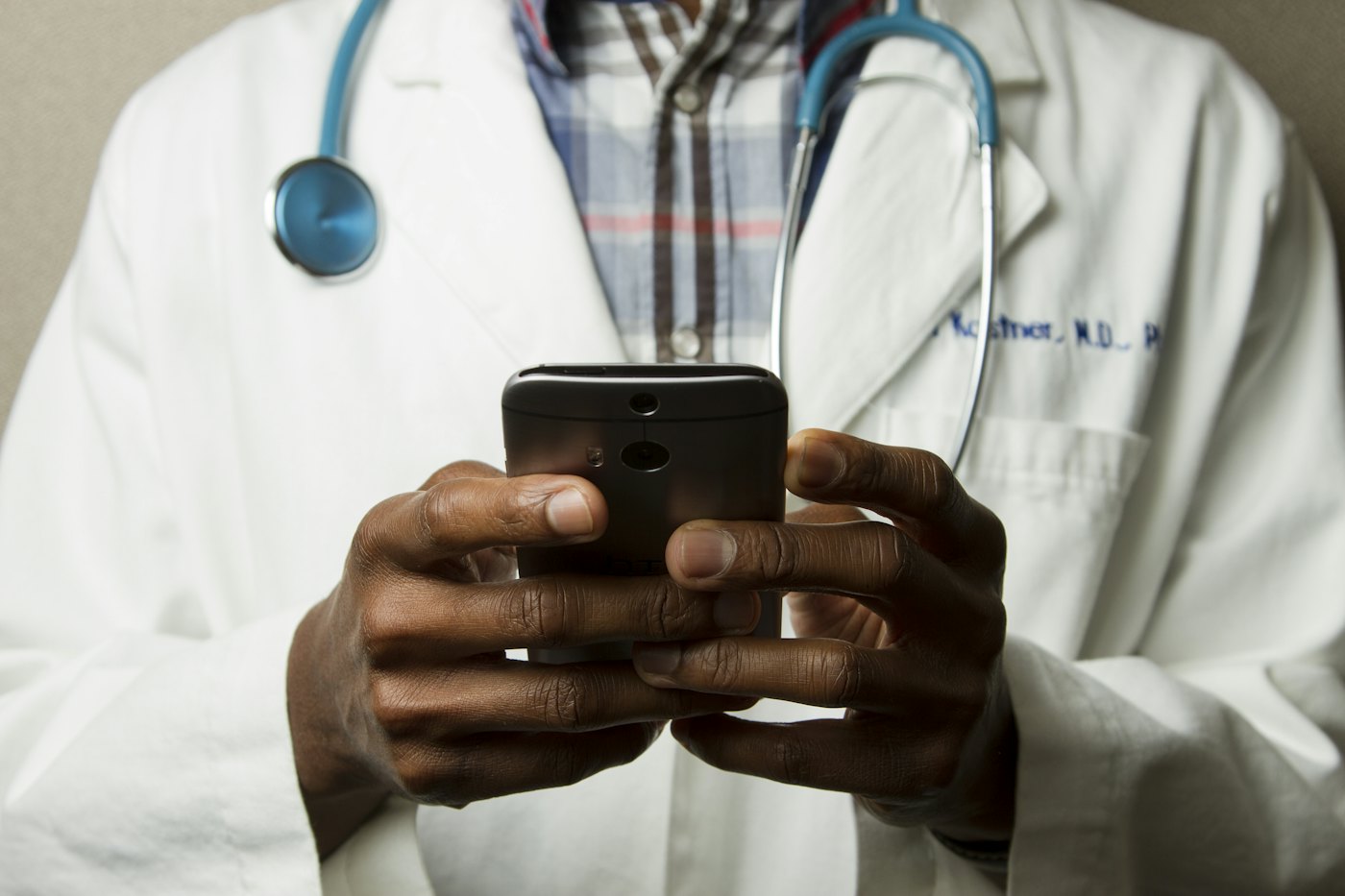
A doctor in a white coat with a stethoscope holding a phone
Voice intakeLuganda · 1:42

“Omutwe gunnuma okumala ennaku ssatu…”

“My head has been aching for three days…”

Fever at nightHeadache 3 daysPenicillin allergy

Matched to record: Sarah N., born 1991

Steps 3 and 4 · In the consultation

Foremed drafts. The doctor finishes.

As the doctor and patient talk, Foremed fills in the hospital’s own template: what the patient said, the findings, the tests. The doctor corrects what needs correcting, adds the confirmed diagnosis, the medicines and any scans, then signs and hands it in. It takes away most of the typing. The decisions stay with the doctor.

  • The patient’s own words are kept beside the summary
  • The referral letter and insurance claim are drafted too
Outpatient consultationHospital B template · Sarah N.
Draft
Patient’s account
Headache for 3 days, fever at night. No vomiting. Takes amlodipine 5 mg daily.Summary of the call and consultation · Patient’s own words
Examination
T 38.4 °C, BP 152/98, pulse 96. Alert, no neck stiffness.
Tests
Malaria test (mRDT) positive.
Diagnosis
Uncomplicated malaria (B54)Confirmed by the doctor
Medicines
Artemether-lumefantrine 80/480 mg, twice daily for 3 days
Scans
None today
Drafted by ForemedAdded by the doctor

Also drafted: referral letterInsurance claim

Step 5 · After the visit

The record travels with the patient.

Today a referral is usually a paper letter, and the results stay behind. With Foremed, the next hospital opens the same record, with the notes, results and scans in it. The patient gets a plain summary on their phone, even a basic one, in their own language.

  • Results join the record as soon as they are ready
  • Summaries by text message, in Luganda or English
ForemedText message

Your visit to Hospital B today: malaria. Take artemether-lumefantrine twice a day for 3 days.

Blood pressure check in 2 weeks. Any Foremed hospital can open your record when you visit.

ReferralSent 09:20

Hospital BHospital C, medical clinic

  • Consultation note
  • Blood pressure history
  • Chest X-ray, March 2025

StatusOpened at Hospital C

Step 6 · Over time

Every diagnosis makes it sharper.

Foremed compares what it suggested with what the doctor confirmed, and later with how the patient did. Each comparison is a lesson for the model, and its accuracy is measured case by case and reported to every hospital that uses it.

  • Records are de-identified before any learning
  • Mistakes are reviewed by doctors, then used for training
Suggested vs confirmedThis month
Foremed suggestedDoctor confirmedMatch
Uncomplicated malariaMalaria, mRDT positiveMatch
Community-acquired pneumoniaPneumoniaMatch
Typhoid feverMalaria, smear positiveReviewed, then added to trainingNo match
Hypertension, uncontrolledHypertensionMatch
91%agreement across 1,284 visits · example figures
Where this goes

Medicine that sees ahead. The doctor still decides.

No doctor can hold a patient’s whole history in mind, let alone a family’s or a district’s. Because every record is linked by name, date of birth and national ID, Foremed can. Here is what that looks like at three scales.

AOne patientMan, 63 · weight in kg
747066 Diabetes diagnosed 68 kg, back pain Mar 2024SepMar 2025Sep

Foremed note

Weight down 6 kg, new back pain, age 63: that meets NICE criteria for an urgent CT of the pancreas.18 The diabetes that began in February is a known early sign.

BOne familyWoman, 38 · family tree
III Well Breast cancerat 46 Well Breast cancerat 41 Patient, 38No symptoms

Breast cancerMalePatient

Foremed note

Mother and sister both had breast cancer. That meets NICE criteria for referral to a family-history clinic.19 Without linked records, her doctor would only know if she thought to mention it.

COne districtCholera · cases a day
20100 Foremed alert Weekly report 12345678910 Day

Foremed alert

Cholera must be reported at once under Uganda’s surveillance guidelines.20 Foremed alerts the district as the first case is signed. A weekly report would have arrived 27 cases later.

Illustrative cases with invented patients and figures. Every warning goes to a doctor or the district team, who decide what to do.

How the model learns

It gets better with every diagnosis.

Every signed visit teaches the model something: what the patient said, what the doctor found, and the diagnosis they confirmed. As visits add up, a new patient can be compared with thousands of confirmed cases in a second, and the warnings shown at the top of this page get sharper.

The approach is proven elsewhere. A model trained on 6.2 million Danish health records flags high risk of pancreatic cancer up to three years ahead.21

  1. LearnFrom signed diagnoses, de-identified, in the country of care
  2. TestDoctors check each new version on cases it has never seen
  3. UseOnly an approved version reaches the clinic, and every output is logged
Evidence

Does AI really help? What the research shows so far.

Paperwork 52% → 39%

Burnout among 263 clinicians in six US health systems, before and after 30 days with an AI scribe.

JAMA Network Open · 2025
Screening 81% vs 74%

Breast cancers caught at screening with AI support, against standard reading, in a randomised trial of more than 100,000 women in Sweden.

The Lancet · 2026
Early warning 3 years

How far ahead a model trained on national health records could flag high risk of pancreatic cancer.

Nature Medicine · 2023
Talking to patients 28 of 32

Measures, including diagnostic accuracy, on which a conversational AI outscored primary-care doctors in blinded text consultations with patient actors.

Nature · 2025
Diagnosis · Stanford +16 points

GPT-4 on its own outscored doctors using standard resources on diagnostic reasoning. Doctors who had the same AI improved by only 2 points.

JAMA Network Open · 2024
The record · Stanford ChatEHR

In 2025 Stanford Health Care gave its clinicians an assistant that answers questions about a patient’s chart in plain language.

Stanford Medicine · 2025

The Stanford trial holds the lesson we build on: handing doctors an AI is not enough. It has to fit the way they already work, which is why Foremed fills in the forms doctors already use. Most of this evidence comes from wealthy health systems. Our pilots will measure the same things where doctors are fewest, and we will publish the results.

Portrait of a woman in a patterned headscarf
Data and access

Only the right people open a record. Every country’s law applies.

Each health worker signs in with their own account and sees only what their role allows. Records are processed under the medical-data law of the country where the patient is treated, and nothing helps our models learn until names and ID numbers have been removed.

Authorised staff only

Personal logins at authorised hospitals. Every record opened is logged with who, where and when.

The doctor signs everything

No draft enters a record until a doctor has read it and signed it.

Patients see their record

Patients can read their own record and results, and see which hospitals have opened it.

Local law, everywhere

Records follow the medical-data law of the country of care, with the consent that law requires.

Family links need consent

Relatives’ records are linked only with consent, and family history is shown only to the treating doctor.

De-identified for learning

Names, ID numbers and contact details are removed before a record is used to improve our models.

Who it is for

Built for the people behind every record.

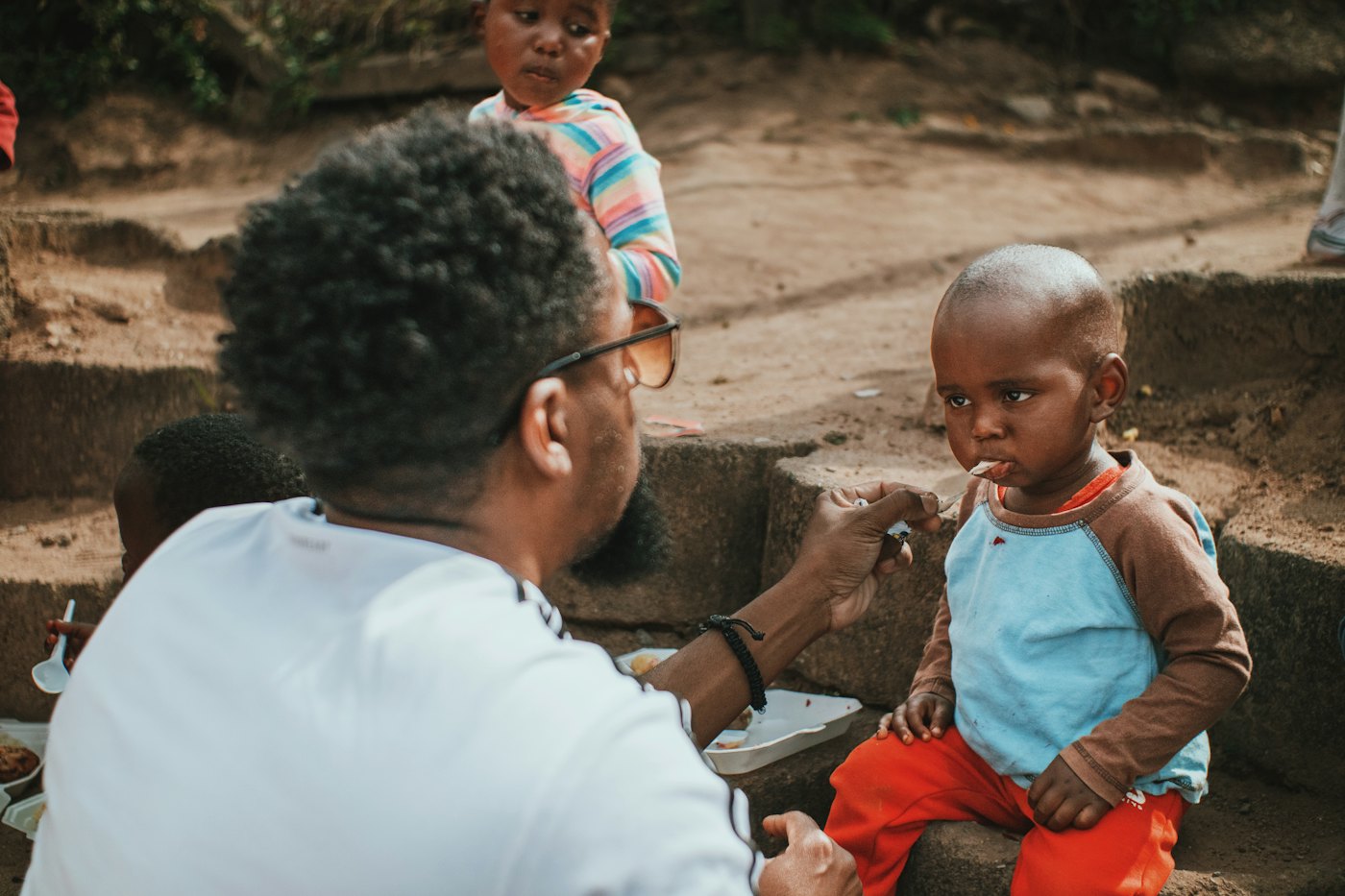
A man sitting with a small child outdoors
Children and families
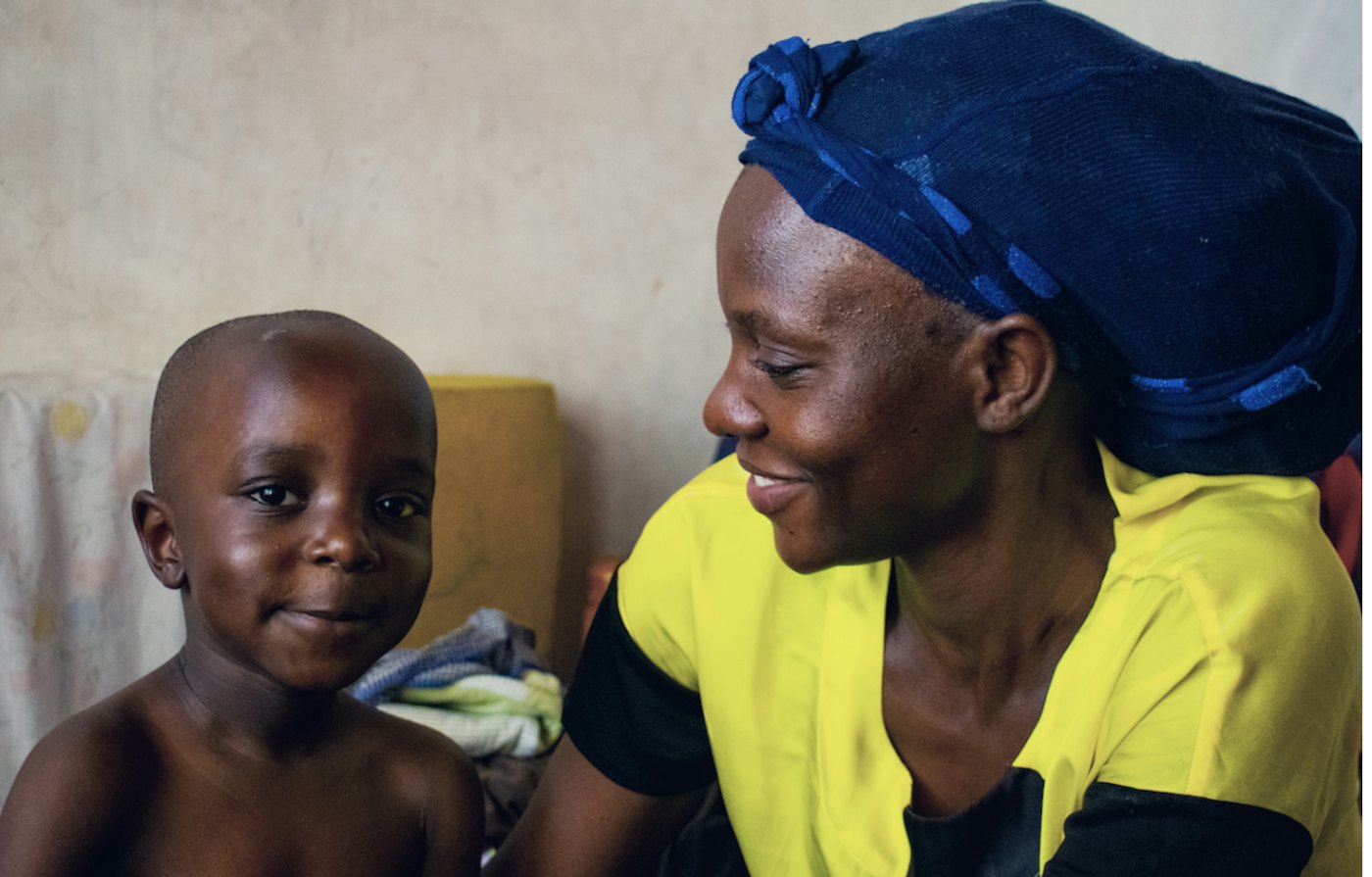
A smiling mother sitting beside her young son
Mothers and carers
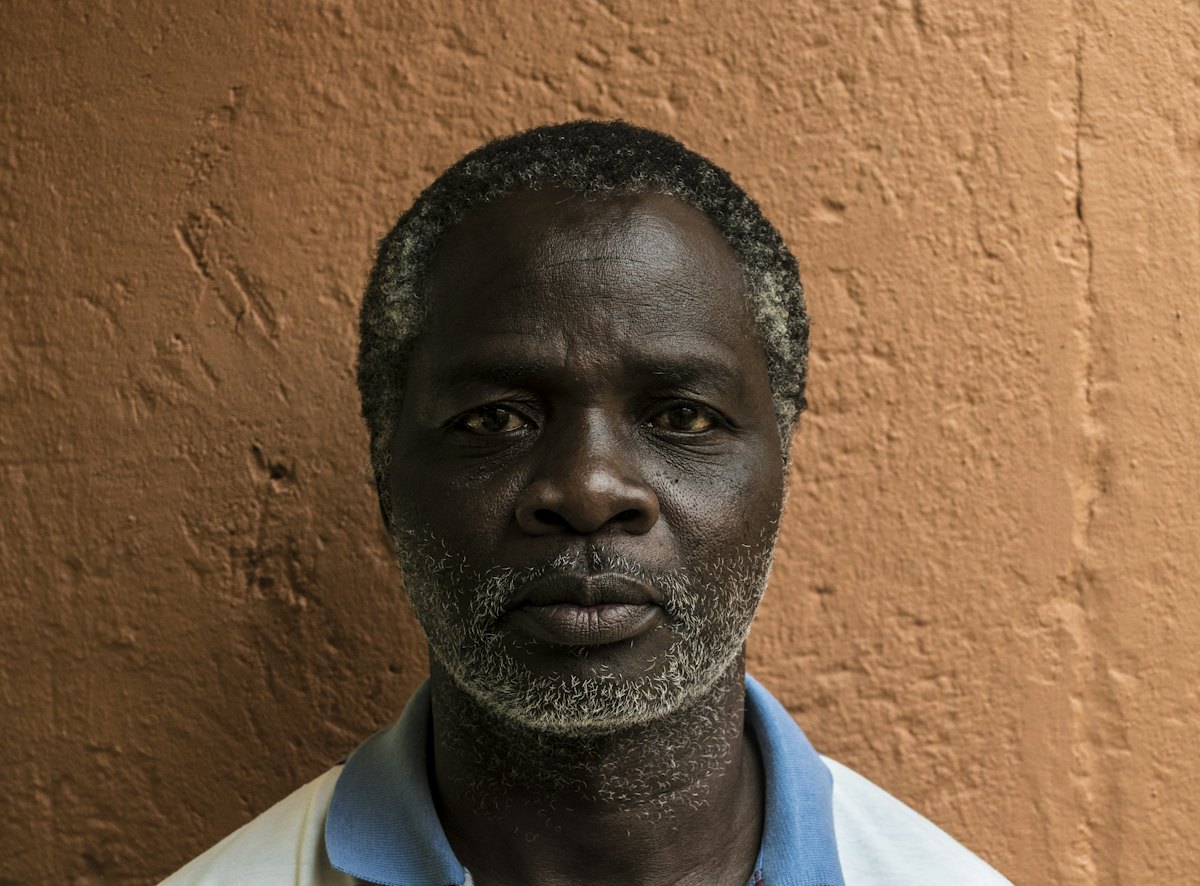
Portrait of an older man against an orange wall
Long-term conditions
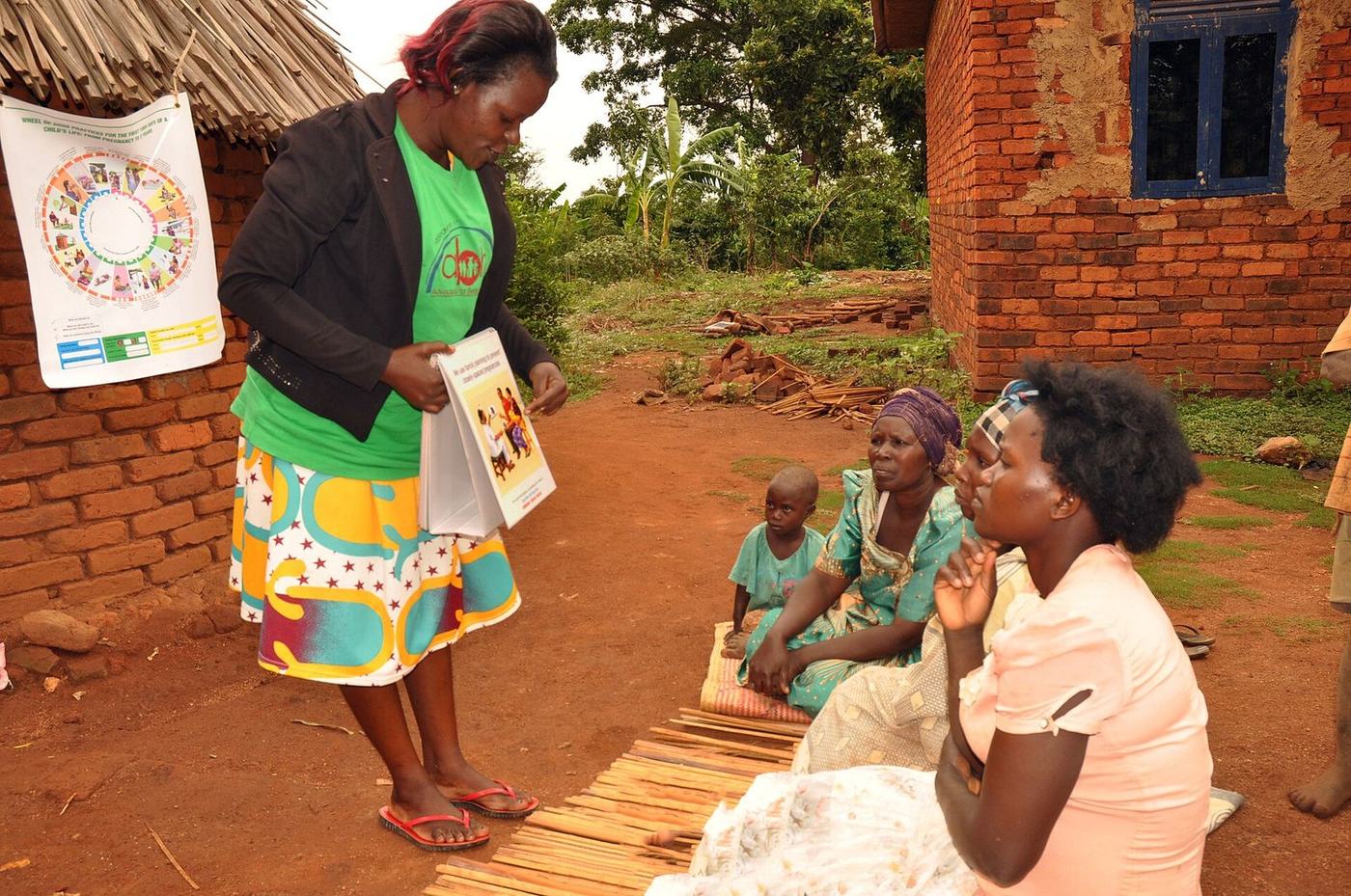
A village health worker holds a picture booklet while she talks with a family sitting outside a brick house
Village health teams
Partners

We can’t build this alone. Here is where you fit.

Donors and NGOs

Fund care that arrives in time, and see exactly what it changed.

Your support puts the record, the voice line and early warnings into hospitals where one doctor serves thousands of people. Every pilot is measured against the months before it, and we publish what we find, including what didn’t work.

  • High-risk pregnancies and suspected cancers referred earlier
  • A mother’s antenatal history ready at whichever facility she reaches in labour
  • Outbreaks reported from the first case, not the end of the week
91%

of births in Uganda now happen in a health facility.2 A record started at the first antenatal visit can follow almost every mother and child.

Talk to us about funding

Investors

The shared record for health systems leaving paper behind.

Governments are moving hospitals to electronic records, and most of those systems can’t talk to each other. Foremed is the record that travels, with AI built in, and every hospital that joins makes it more valuable to the next.

  • Revenue from hospital subscriptions, sold through faith-based hospital networks, and from government contracts
  • Grants pay for public-good features such as outbreak alerts
  • Hard to copy: years of linked records, each with a diagnosis a doctor confirmed
66%

of US doctors used AI in their work in 2024, up from 38% a year earlier. Most see cutting paperwork as its biggest use.27

Ask for the investor brief

AI and research partners

Test and improve medical AI on patients it has never seen.

By one estimate, AI developers could use up the world’s public human-written text between 2026 and 2032.28 Medical data is scarcer still. Foremed records connect what a patient said, in their own language, with the diagnosis a doctor confirmed and what happened next.

  • Long-term records, each with a confirmed diagnosis and outcome
  • Clinical speech in Luganda and other languages AI barely knows
  • The model comes to the data: work runs in the country, on de-identified records, with ethics approval and under local law
1 image

Public skin-cancer datasets hold 106,950 images. Of those with skin colour recorded, one showed dark brown or black skin.29

Discuss a research partnership

Governments

One record per citizen, and early warning in every district.

Foremed links each patient’s record to their national ID, and gives the health ministry live, anonymous counts of what doctors diagnose, and where. National reports fill themselves in.

  • Alerts for notifiable diseases the moment a doctor signs the diagnosis
  • Reports sent to DHIS2 without retyping
  • Records processed under national law, with fewer lost referrals and repeated tests
$53 billion

the estimated total cost of the 2014–16 Ebola epidemic in West Africa, an outbreak that went unnoticed for three months.30

Discuss a public pilot

Hospitals and doctors

Give doctors their time back, and every patient one record.

We will set up the record and the assistant in five pilot hospitals in 2027, free for 90 days. Doctors in Uganda and Germany design it with us, and senior physicians review every feature on our clinical advisory board.

  • Works with your own templates and existing systems
  • Training for doctors, nurses and records officers
  • Co-authorship on the research we publish
3 hours

a day on administration for the average hospital doctor in Germany.14 We want that time back with patients, wherever they are.

Apply to be a pilot site
Why we started
In a German hospital, a records team makes sure the next doctor can find what the last one wrote. In many Ugandan hospitals, that history is a paper file that never leaves the building, or an exercise book the patient carries.

Foremed was started by a Ugandan who works in a hospital records archive in Germany, where every visit is documented in a structured clinical system and any file can be found in minutes. The name comes from foresight: medicine that sees what is coming, and gives doctors the time to act on it.
A doctor putting on her stethoscope

Start with a conversation.

Funder, investor, research partner, government, hospital or doctor: tell us who you are and what you would like to build together.

hello@foremed.health

Sources

Every number on this page, with a link to where it comes from. 30 references.
  1. Kruk et al. Mortality due to low-quality health systems in the universal health coverage era. The Lancet, 2018
  2. Uganda Bureau of Statistics. Uganda Demographic and Health Survey 2022, key findings
  3. World Health Organization. Childhood cancer, fact sheet
  4. World Health Organization. Ground zero in Guinea: the Ebola outbreak smoulders, undetected, for more than 3 months, 2015
  5. US Centers for Disease Control and Prevention. 2014–2016 Ebola outbreak in West Africa
  6. Uganda has one licensed doctor for every 6,400 people. AllAfrica, 2026
  7. OECD. Health at a Glance 2025: Germany
  8. Patient-held health records in underserved communities. JMIR, 2026
  9. What happens when your medical file disappears. Daily Monitor
  10. Jinja hospitals embrace digital records. Daily Monitor, June 2026
  11. de Fouw et al. Cervical cancer care at a tertiary oncology facility in Uganda. PLOS ONE, 2025
  12. Newman-Toker et al. Burden of serious harms from diagnostic error in the USA. BMJ Quality & Safety, 2023
  13. Impouma et al. Measuring timeliness of outbreak response in the WHO African Region, 2017–2019. Emerging Infectious Diseases, 2020
  14. Marburger Bund, MB-Monitor 2024. Deutsches Ärzteblatt
  15. Sinsky et al. Allocation of physician time in ambulatory practice. Annals of Internal Medicine, 2016
  16. NHGRI. African ancestry populations in genomics, 2024
  17. Patients need national ID numbers to access services in new Mulago hospital. The Independent
  18. NICE guideline NG12. Suspected cancer: recognition and referral
  19. NICE guideline CG164. Familial breast cancer
  20. Ministry of Health Uganda. National technical guidelines for integrated disease surveillance and response, 3rd edition, 2021
  21. Placido et al. A deep learning algorithm to predict risk of pancreatic cancer from disease trajectories. Nature Medicine, 2023
  22. Olson et al. Ambient AI scribes and clinician burnout. JAMA Network Open, 2025
  23. MASAI trial of AI-supported mammography. The Lancet, 2026 (Lund University summary)
  24. Tu et al. Towards conversational diagnostic AI. Nature, 2025
  25. Goh et al. Large language model influence on diagnostic reasoning. JAMA Network Open, 2024
  26. Stanford Medicine. ChatEHR, 2025
  27. American Medical Association. 2 in 3 physicians are using health AI, 2025
  28. Villalobos et al. Will we run out of data? Epoch AI, 2024
  29. Wen et al. Characteristics of publicly available skin cancer image datasets. Lancet Digital Health, 2022
  30. Huber et al. Economic and social burden of the 2014 Ebola outbreak in West Africa. Journal of Infectious Diseases, 2018 (Healio summary)